Product Design
Where the Physical Product Meets the Digital Experience
We deliver product design, human factors, and UI design within one accountable program alongside your firmware, connectivity, and architecture.
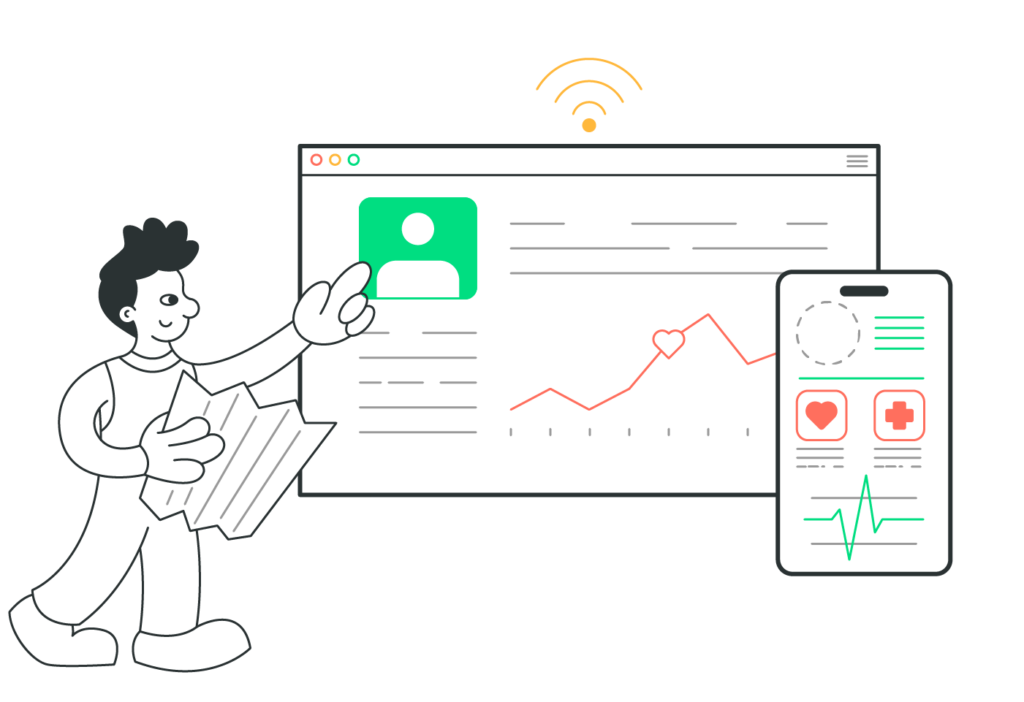
What sets us apart
Design in connected systems
Design Choices Are System Commitments
An interface can only promise what the system behind it is built to deliver.
A screen that promises instant feedback is making a firmware timing commitment. A sync indicator is making a claim about connectivity architecture. Both are system decisions, and usually they’re made by designers who never touch the system that has to keep them.
We design and build both the interface and the system underneath it, so the promises on the screen are ones we keep.
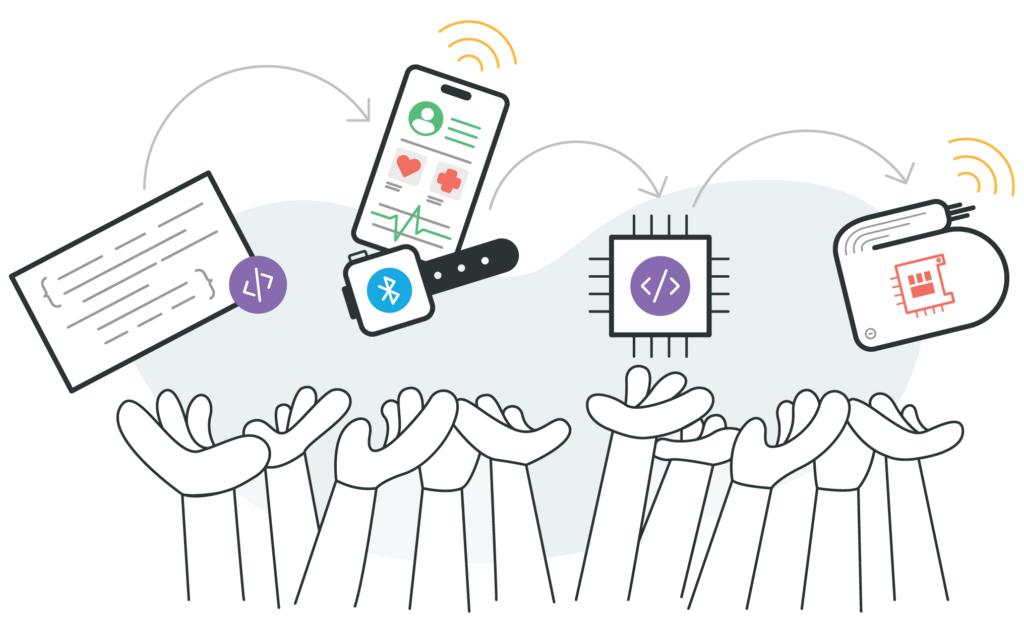
From First Concept to the Interfaces That Ship
We support six areas of product design, spanning what the product is, how people use it, and how it gets validated.
Definition & Concept Shaping
Product Definition & Requirements
- User needs translated into device requirements and governing specifications
- Product design description development
- Interface definition and control documentation between system components
- Alignment across stakeholders when client vision and technical partner requirements pull in different directions
Feasibility & Tradeoff Management
- Concept feasibility assessment against sensing, connectivity, power, and budget constraints
- Form, fit, and function tradeoffs managed against hard technical requirements
- Design decisions sequenced so changes cost a revision instead of a rework
Concept Realization
- Functional prototype development with our electronics and embedded teams
- Investor-ready proof of concept on early-stage budgets
- Comprehensive design files that protect IP and carry into future development phases
UX & Interaction Design
UX Research & Discovery
- UX discovery, research, and workflow refinement
- Design thinking applied to new feature ideation and evaluation
- Product definition refinement through user-facing workflow design
Interaction & Workflow Design
- Interaction design across scanning, connection, sync, and failure states
- Honest system-state design so users see what’s synced, what’s pending, and what to do next
- Information architecture for complex technical workflows
Multi-Surface System Design
- One coherent experience across device, mobile, and web touchpoints
- Patient and clinician interactions designed as a single system
- Interaction sequences maintained across multiple hardware generations
UI Design & Design Systems
UI Design
- UI design balancing clinical requirements, regulatory constraints, and consumer-grade accessibility
- Interface design for clarity and speed in technical, high-frequency workflows
- Design shaped by connectivity states, latency, battery life, and small screens
Design Systems
- Scalable, lightweight design systems built for long-term product evolution
- Native platform design systems supporting edge cases and long-term adherence
- Visual concepts converted into implementable, sequenced development plans
Iteration & Refinement
- Scalable, lightweight design systems built for long-term product evolution
- Native platform design systems supporting edge cases and long-term adherence
- Visual concepts converted into implementable, sequenced development plans
Physical Interaction Design
Physical Interaction & Affordances
- Form factor input during concept and architecture phases
- Control placement and physical affordance design
- Physical and digital interactions designed as one experience
Design With Hardware Constraints
- Interaction design grounded in electronics, enclosure, and manufacturing realities
- Collaboration across design, electronics, and mechanical disciplines
Industrial Design (Partner-Delivered)
- Full industrial design through trusted partners for the most complex and polished products
- Partner work run inside the program, same requirements, same documentation
Human Factor Engineering
Use-Related Risk Integration
- Usability engineering requirements traced into system requirements
- Use-related risk managed within the program’s risk management process
- Critical task and workflow identification where use errors carry consequences
Design Against Use Error
- Critical workflows designed against use errors and failure states
- Interaction design tested against real device behavior across hardware generations
Usability Validation (Partner-Delivered)
- Formative and summative evaluation through proven HFE partners
- IEC 62366-1 compliance work coordinated and managed inside the program
- Partner deliverables integrated into program documentation
Design Tooling & Prototyping
Simulators & Design Tools
- Web-based device simulators enabling design iteration without physical hardware
- Hardware behavior simulation for UI development ahead of device availability
- Custom tooling that accelerates design cycles at scale
Prototyping & Testing
- Designs tested against real connectivity behavior before implementation
- Functional prototypes bridging design intent and engineering feasibility

Definition & Concept Shaping
Product Definition & Requirements
- User needs translated into device requirements and governing specifications
- Product design description development
- Interface definition and control documentation between system components
- Alignment across stakeholders when client vision and technical partner requirements pull in different directions
Feasibility & Tradeoff Management
- Concept feasibility assessment against sensing, connectivity, power, and budget constraints
- Form, fit, and function tradeoffs managed against hard technical requirements
- Design decisions sequenced so changes cost a revision instead of a rework
Concept Realization
- Functional prototype development with our electronics and embedded teams
- Investor-ready proof of concept on early-stage budgets
- Concepts, prototypes, and design documentation that support patent filings and carry into future development phases

UX & Interactive Design
UX Research & Discovery
- UX discovery, research, and workflow refinement
- Design thinking applied to new feature ideation and evaluation
- Product definition refinement through user-facing workflow design
Interaction & Workflow Design
- Interaction design across scanning, connection, sync, and failure states
- Honest system-state design so users see what’s synced, what’s pending, and what to do next
- Information architecture for complex technical workflows
Multi-Surface System Design
- One coherent experience across device, mobile, and web touchpoints
- Patient and clinician interactions designed as a single system
- Interaction sequences maintained across multiple hardware generations

UI Design & Design Systems
UI Design
- UI design balancing clinical requirements, regulatory constraints, and consumer-grade accessibility
- Interface design for clarity and speed in technical, high-frequency workflows
- Design shaped by connectivity states, latency, battery life, and small screens
Design Systems
- Scalable, lightweight design systems built for long-term product evolution
- Native platform design systems that cover edge cases and keep implementation true to the design over time
- Visual concepts converted into implementable, sequenced development plans
Iteration & Refinement
- Design iteration grounded in real-world user feedback
- Continuous refinement across releases and hardware generations

Physical Interaction Design
Physical Interaction & Affordances
- Form factor input during concept and architecture phases
- Control placement and physical affordance design
- Physical and digital interactions designed as one experience
Design With Hardware Constraints
- Interaction design grounded in electronics, enclosure, and manufacturing realities
- Collaboration across design, electronics, and mechanical disciplines
Industrial Design (Partner-Delivered)
- Full industrial design through trusted partners when form, finish, and brand expression are central to the product
- Partner work run inside the program, same requirements, same documentation

Human Factors Engineering
Use-Related Risk Integration
- Usability engineering requirements traced into system requirements
- Use-related risk is identified and controlled early, inside the same risk management process as every other program risk
- Critical task and workflow identification where use errors carry consequences
Design Against Use Error
- Critical workflows designed against use errors and failure states
- Interaction design tested against real device behavior across hardware generations
Usability Validation (Partner-Delivered)
- Formative and summative evaluation through proven HFE partners
- IEC 62366-1 compliance work coordinated and managed inside the program
- Partner deliverables integrated into program documentation

Design Tooling & Prototyping
Simulators & Design Tools
- Web-based device simulators enabling design iteration without physical hardware
- Hardware behavior simulation for UI development ahead of device availability
- Custom tooling that accelerates design cycles at scale
Prototyping & Testing
- Designs tested against real connectivity behavior before implementation
- Functional prototypes bridging design intent and engineering feasibility
How Design integrates
Design Runs Through the Same Development Process as Everything Else
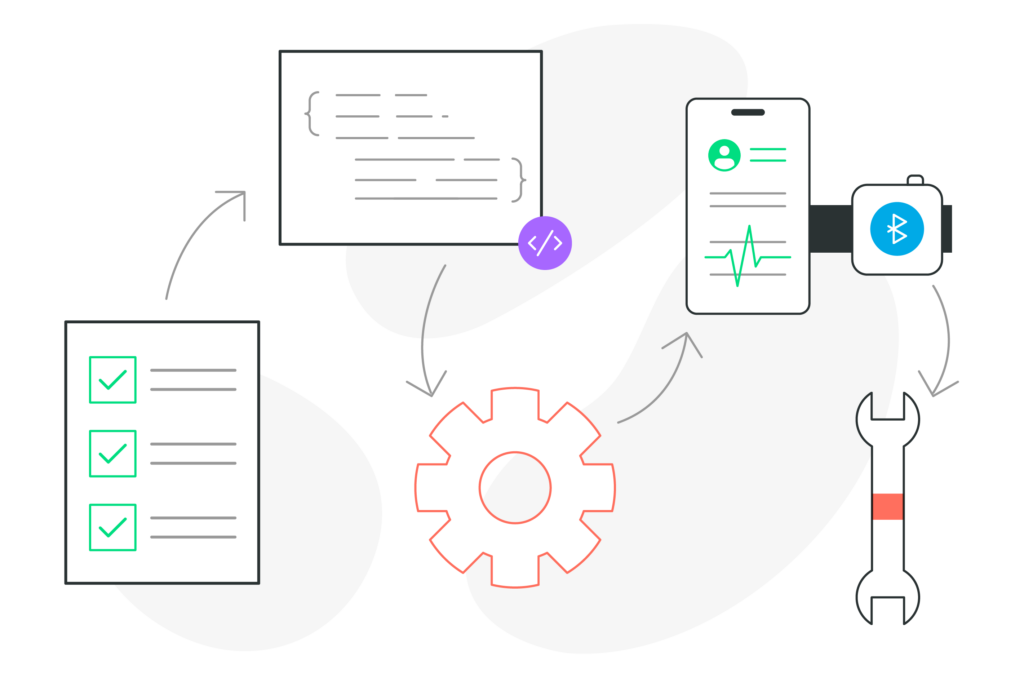
Shared Process
Design runs on the same program infrastructure.
User workflows shape system requirements. Usability risks enter the same risk management process as every other program risk. Design rationale gets documented as decisions are made, in the documentation the rest of the program runs on.
Early Tradeoffs
Cross-layer tradeoffs get made once and early.
When an interface decision carries a firmware timing cost or a connectivity dependency, the people who own those layers are already in the room, so the tradeoff gets made once, on purpose.
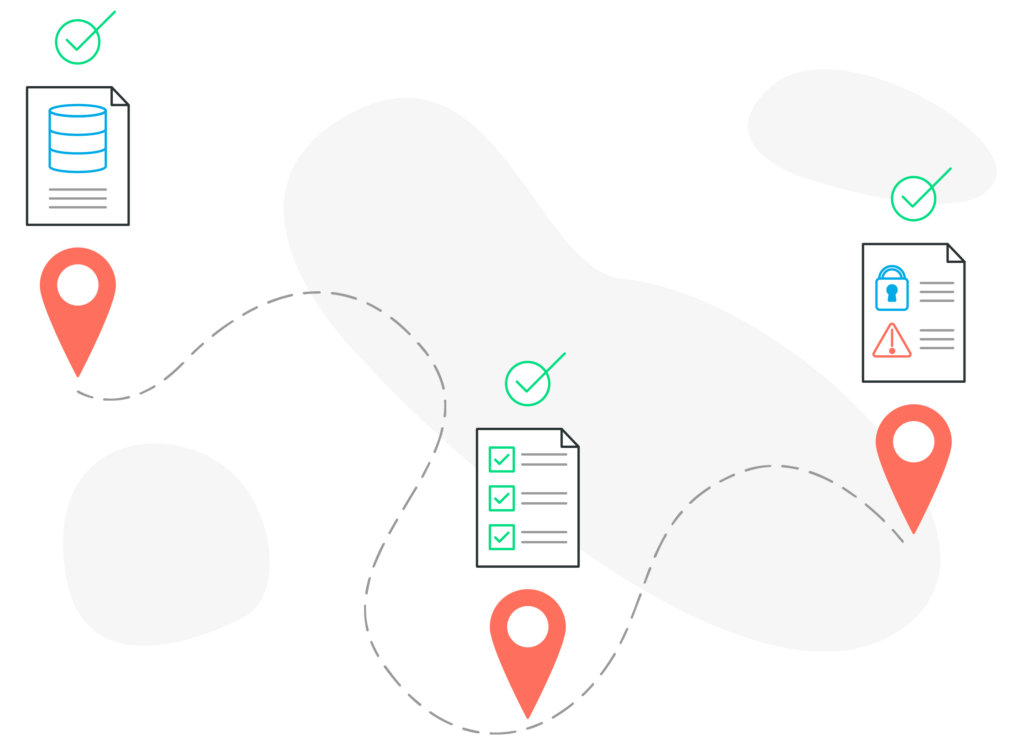

Added Depth
Specialized depth gets absorbed into the program.
When a program needs formal HFE studies or dedicated industrial design, we bring in proven partners and run the work under the same requirements, risk management, and documentation. You’re never sourcing, contracting, and managing a second vendor yourself.
Connected Medical Systems, Engineered As One.





Design Delivered Inside Real Connected Device Programs
Interfaces designed and shipped as part of the systems underneath them, from implantables to consumer wearables.

A Fashion Smartwatch Shipped by the Millions
A global fashion brand’s smartwatches reached millions of wrists across several product generations, and they were designed to look like watches first.
Under the face they tracked health and activity, moved logs and firmware updates to a phone over Bluetooth, and ran on a battery sized for a fashion case.
For the wearer, that meant a watch chosen for how it looked that still did what a smartwatch does. It also meant pairing with every phone and OS version its wearers owned, each handling Bluetooth its own way, at a scale where a one-in-a-million quirk came up every day.


Sleep Apnea Therapy, Connected From Body to Cloud
Inspire® is the first FDA-approved neurostimulation therapy for moderate to severe obstructive sleep apnea.
A small implant stimulates the nerve that controls the tongue in time with the patient’s breathing, and a connected system sits around it, with a Bluetooth remote the patient holds, an app, and a clinician web portal that monitors the implant wirelessly.
For someone who could never live with a mask, that means sleeping with nothing on their face and starting therapy with a click. It also means the system around a Class III implant has moved through several device generations while every implant already placed stays in a body for years, so no part of the system can change without accounting for every implant in the field.


A Tinnitus Therapy SaMD, Concept to FDA Clearance in Months
One in ten people lives with persistent tinnitus, the ringing that does not stop.
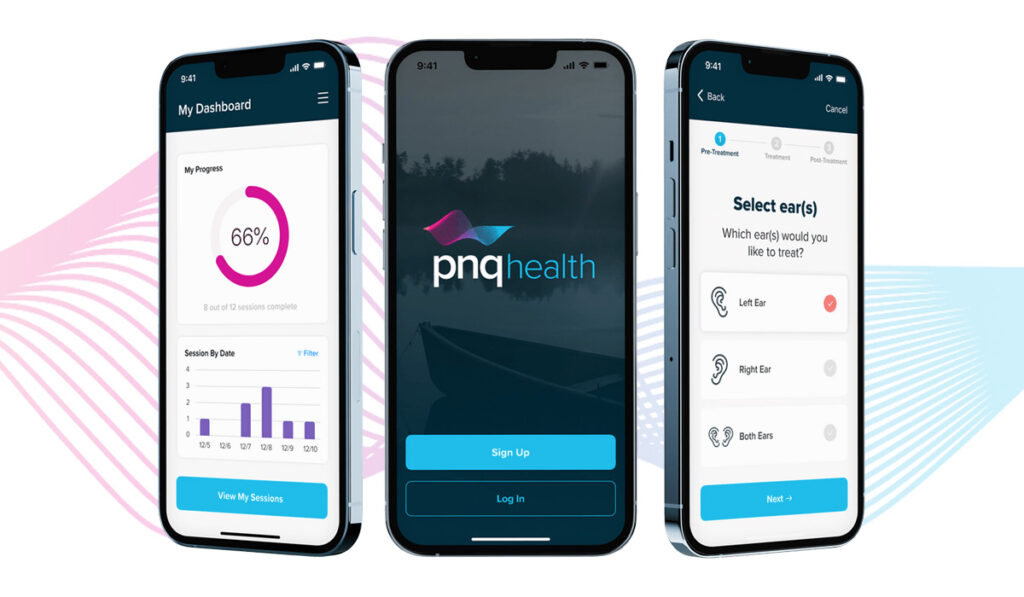
PNQ Health’s therapy is software. An iOS app delivers personalized sound therapy through ordinary earbuds, and the app itself is what the FDA cleared, as Class II software as a medical device.
For a patient, that means treatment at home, self-guided, with a clinician overseeing it remotely. It also means the app is the entire clinical product, so it has to hold to a medical standard while feeling like something a person opens every day.

An Implanted Therapy Its Clinicians Configure From Anywhere
A stealth-stage medical startup is developing an implanted neuromodulation therapy that its clinicians can adjust without the patient in the room.
For the patient, that means a therapy that changes when it needs to instead of at the next appointment.
It also means every adjustment travels from a clinician’s screen to a device inside someone’s body, and that path has to be trusted at Class III stakes before anything is implanted.
A Fashion Smartwatch Shipped by the Millions
Sleep Apnea Therapy, Connected From Body to Cloud
A Tinnitus Therapy SaMD, Concept to FDA Clearance in Months
An Implanted Therapy Its Clinicians Configure From Anywhere
A Fashion Smartwatch Shipped by the Millions
A global fashion brand’s smartwatches reached millions of wrists across several product generations, and they were designed to look like watches first.
Under the face they tracked health and activity, moved logs and firmware updates to a phone over Bluetooth, and ran on a battery sized for a fashion case.
For the wearer, that meant a watch chosen for how it looked that still did what a smartwatch does. It also meant pairing with every phone and OS version its wearers owned, each handling Bluetooth its own way, at a scale where a one-in-a-million quirk came up every day.
Sleep Apnea Therapy, Connected From Body to Cloud
Inspire® is the first FDA-approved neurostimulation therapy for moderate to severe obstructive sleep apnea.
A small implant stimulates the nerve that controls the tongue in time with the patient’s breathing, and a connected system sits around it, with a Bluetooth remote the patient holds, an app, and a clinician web portal that monitors the implant wirelessly.
For someone who could never live with a mask, that means sleeping with nothing on their face and starting therapy with a click. It also means the system around a Class III implant has moved through several device generations while every implant already placed stays in a body for years, so no part of the system can change without accounting for every implant in the field.
A Tinnitus Therapy SaMD, Concept to FDA Clearance in Months
One in ten people lives with persistent tinnitus, the ringing that does not stop.
PNQ Health’s therapy is software. An iOS app delivers personalized sound therapy through ordinary earbuds, and the app itself is what the FDA cleared, as Class II software as a medical device.
For a patient, that means treatment at home, self-guided, with a clinician overseeing it remotely. It also means the app is the entire clinical product, so it has to hold to a medical standard while feeling like something a person opens every day.
An Implanted Therapy Its Clinicians Configure From Anywhere
A stealth-stage medical startup is developing an implanted neuromodulation therapy that its clinicians can adjust without the patient in the room.
For the patient, that means a therapy that changes when it needs to instead of at the next appointment.
It also means every adjustment travels from a clinician’s screen to a device inside someone’s body, and that path has to be trusted at Class III stakes before anything is implanted.
Let's Talk About Your Product's Design Needs

Quick Discovery Call
Team Consultation