Web Apps & Backend Systems
System Software for Connected Device Ecosystems
We build web applications, device management platforms, and backend systems for connected medical, digital health, and consumer devices.
What Sets Us Apart
Backends in connected systems
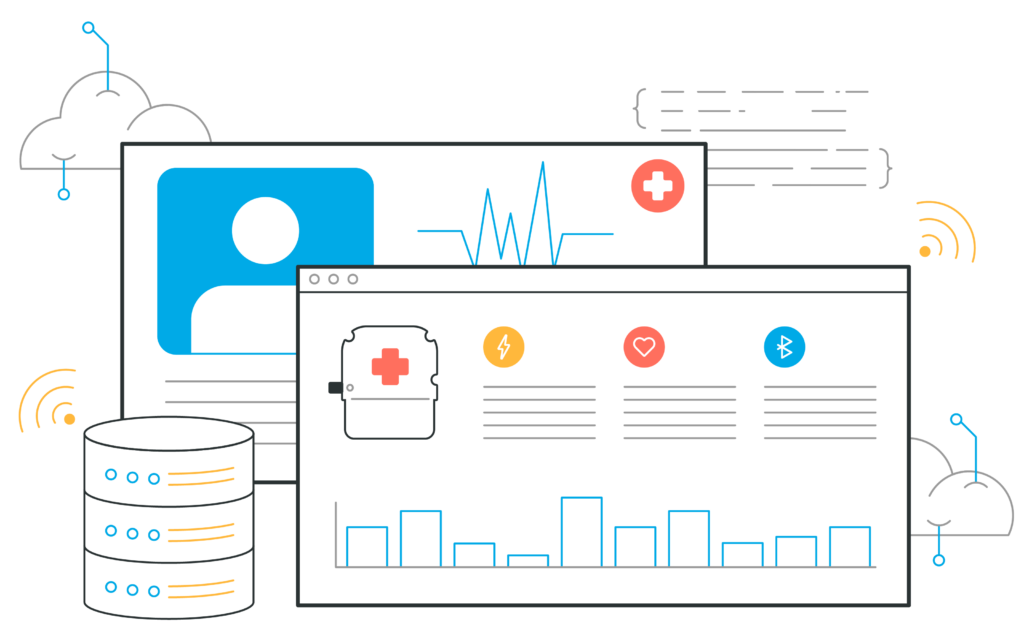
Backend Systems Control What Happens in the Field.
Web applications give users visibility and control over device ecosystems. Backend systems make that control reliable at scale. Built without backend coordination, device features promise what infrastructure can’t deliver, and systems fail in production.
We build web and backend systems with device-level awareness. Because we work across firmware, mobile, cloud, and web, we design for what the connected system can reliably support.
The Result: Web applications and backend infrastructure that integrate cleanly with your device ecosystem, handle production scale, and enable reliable control.
What we solve for
Web Apps & Backend Development at Every Stage
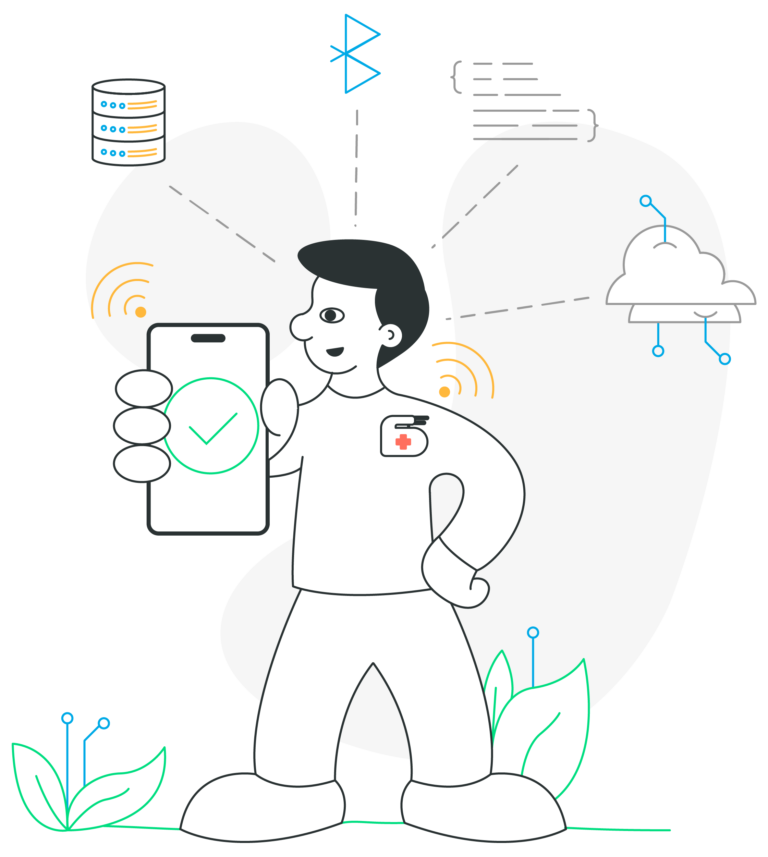
Whether building from scratch, validating approaches, or resolving production issues, we bring the backend systems depth you need.

Building New Products
Device Control & Remote Operations
- Commands timing out or misordering across device fleet
- OTA deployments bricking devices during failed rollouts
- Fleet dashboards timing out above 1,000 devices
- State inconsistencies causing command misrouting
Data Systems & Security
- Database performance degrading as telemetry accumulates over years
- Incomplete audit trails failing regulatory inspection
- Shared device credentials or missing key rotation creating security vulnerabilities
- Insecure or unreliable device provisioning during manufacturing or user onboarding
- Event data loss during device reconnection bursts
Web Apps & Admin Portals
- Dashboard performance collapsing when displaying real-time fleet data
- Bulk operations completing partially and leaving fleet in inconsistent state
- Admin workflows allowing invalid configurations that brick devices
- Data visualization failing to surface critical device health patterns
Cloud Infrastructure & Integration
- API changes breaking firmware-backend communication without proper versioning
- Multi-region deployments creating data consistency and latency problems
- EMR/EHR integration failures from authentication timeouts or incomplete mapping
- Infrastructure costs spiraling as device fleet scales

Validating Feasibility
Device Control & Fleet Operations
- Command latency with 5,000+ devices reconnecting simultaneously
- OTA update completion without overwhelming bandwidth or causing rollback failures
- Configuration validation preventing invalid states before production push
Data Flow & Processing
- Event ingestion handling bursts from device reconnections and bulk uploads
- Database performance with years of time-series telemetry per device
- Real-time stream processing latency for alerts and dashboard updates
Security & Compliance
- Authentication reliability under degraded connectivity and token expiration
- Audit trail completeness for all device commands and configuration changes
- 21 CFR Part 11 compliance approach validation
Admin Portal Performance
- Dashboard responsiveness with fleet-scale data and real-time updates
- Bulk operation workflows tested against realistic device populations
- Error handling when devices are offline during configuration

Accelerating Development
Core Backend Services
- Device authentication and provisioning APIs
- Real-time event ingestion and notification delivery
- User authentication and role-based access control
Device Control Infrastructure
- OTA firmware distribution and version management
- Remote command queuing and acknowledgment tracking
- Alert generation and escalation workflows
Admin Portals & Dashboards
- Fleet monitoring with real-time device status
- Device provisioning and configuration workflows
- Data export and reporting for regulatory documentation
Integration & Development
- Cloud infrastructure and CI/CD pipeline setup
- API coordination across firmware, mobile, backend, third-party systems
- Regulatory documentation for backend validation
Backend Engineering for Connected Device Ecosystems
The technical capabilities required to handle device data, remote control, and regulatory requirements at scale.
Cloud Infrastructure
Infrastructure Architecture & Deployment
- Multi-region deployment strategies with failover and disaster recovery
- Container orchestration (Kubernetes, ECS) for microservices architecture
- Infrastructure as Code (Terraform, CloudFormation) for reproducible environments
- CI/CD pipeline integration for automated deployment and rollback
- Environment management (dev, staging, production) with configuration isolation
Computing & Storage Services
- Cloud service selection and architecture (AWS, Azure, GCP)
- Serverless vs. containerized compute tradeoff analysis
- Database selection for time-series device data, user data, and analytics
- Object storage and CDN configuration for media and firmware distribution
- Message queues and event streaming infrastructure
Cost & Resource Optimization
- Cost monitoring and optimization for device-scale workloads
- Auto-scaling policies based on device connection patterns
- Resource tagging and allocation tracking per product or client
Web Applications & Portals
App Development & UI Implementation
- Modern front-end frameworks (React, Vue, Angular) with TypeScript
- Responsive design implementation across desktop, tablet, mobile browsers
- Component libraries and design system implementation
- Progressive web app (PWA) capabilities for offline functionality
- Accessible interfaces meeting WCAG standards
Data Visualization & Analytics
- Real-time device data visualization and dashboards
- Time-series data charting for sensor readings and health metrics
- Clinical analytics and reporting interfaces
- Export capabilities for regulatory documentation and clinical review
- Interactive data exploration tools for research and quality analysis
Administrative & Operations Interfaces
- Device fleet management dashboards
- User management and access control interfaces
- Configuration and settings management portals
- Audit log review and compliance reporting tools
- Internal operations and support tooling
API Design & Integrations
API Architecture & Versioning
- RESTful and GraphQL API design for device, mobile, and web clients
- API versioning strategies and backward compatibility management
- Breaking change coordination across firmware, mobile, and web releases
- API documentation and contract validation with cross-functional teams
- Gateway patterns for legacy device support and protocol translation
Real-Time Communication
- WebSocket and MQTT implementation for bidirectional device communication
- Server-Sent Events (SSE) for live dashboard updates
- Push notification infrastructure coordination across web and mobile
Integration Patterns & Rate Management
- Authentication and authorization enforcement across API surfaces
- Rate limiting and throttling for device connection management
- Webhook infrastructure for third-party system integration
- API monitoring and usage analytics
Remote Device Operations
Device Registery & Fleet Management
- Device identity management and registration workflows
- Device status tracking and firmware version monitoring
- Fleet segmentation for staged rollouts and beta programs
- Device metadata and configuration management
- Connectivity status and health monitoring
Over-the-Air (OTA) Updates
- Firmware distribution infrastructure with CDN integration
- Staged rollout strategies and canary deployments
- Firmware version compatibility validation
- Platform integration (AWS IoT Core, Azure IoT Hub) for device lifecycle management
- Rollback mechanisms for failed updates
- Update completion tracking and retry logic
Remote Commands & Configuration
- Secure command delivery to devices with acknowledgment tracking
- Remote configuration updates and feature flag management
- Diagnostic data collection and remote troubleshooting
- Time-based or event-triggered command scheduling
Data Systems & Integrity
Data Architecture & Storage
- Time-series database design optimized for device telemetry
- Event sourcing and append-only patterns for audit trail completeness
- Database schema design for multi-tenant device ecosystems
- Data partitioning and archival strategies for long-term retention
- Backup validation and disaster recovery testing
Data Integrity & Validation
- Data completeness detection and gap identification per device
- Integrity checks and corruption handling for device telemetry
- Data deduplication and conflict resolution
- Missing data window detection and alerting
- Checksums and validation for critical data flows
Data Processing & Analytics
- ETL pipelines for analytics and reporting systems
- Stream processing for real-time data transformation
- Data aggregation and summarization for long-term trends
- Retention policies meeting regulatory and business requirements
Security & Access Control
Authentication & Authorization
- OAuth 2.0 and JWT token implementation for users and devices
- Role-based access control (RBAC) per resource type and clinical role
- Multi-factor authentication (MFA) for sensitive operations
- Session management and token expiration policies
- Single sign-on (SSO) integration with enterprise identity providers
Data Protection & Encryption
- Encryption at rest and in transit (TLS 1.3, database encryption)
- Encryption key management and rotation strategies
- PHI/PII data protection for HIPAA and GDPR compliance
- Secure credential storage and secrets management
Device Security & Provisioning
- Device authentication and secure provisioning workflows
- Certificate lifecycle management and automated rotation
- Secure device decommissioning and credential revocation
- Hardware security module (HSM) integration where required
Security Operations & Compliance
- Security vulnerability scanning and dependency management
- Penetration testing and security audit preparation
- Audit logging for sensitive data access and administrative actions
- Intrusion detection and anomaly monitoring
Regulatory-Ready Systems
Compliance-Ready Development
- Design controls integration and requirements traceability
- Change control and configuration management aligned with QMS
- Design history file (DHF) preparation for backend components
- Software development lifecycle documentation
- Risk management integration (ISO 14971) for backend hazards
Data Integrity & Electronic Records
- 21 CFR Part 11 electronic signature and audit trail implementation
- ALCOA+ principles for data integrity (Attributable, Legible, Contemporaneous, Original, Accurate)
- Audit trail completeness validation and tamper detection
- Time-stamping and non-repudiation for critical records
- Data retention and archival strategies for regulatory review
System Validation & Quality Integration
- Installation Qualification (IQ), Operational Qualification (OQ), Performance Qualification (PQ) protocols
- Computer System Validation (CSV) documentation and evidence
- Automated validation test generation and execution
- Traceability for data flows supporting regulatory submissions
- QMS integration for issue tracking, CAPA, and deviation management
External System Integration
Healthcare System Integration
- EMR/EHR integration (HL7 FHIR, HL7 v2, proprietary APIs)
- Pharmacy and medication management system connectivity
- Clinical decision support system integration
- Health information exchange (HIE) connectivity
- Prior authorization and claims system integration
Enterprise & Analytics Integration
- Third-party analytics platform integration (data warehouses, BI tools)
- Customer support and CRM system connectivity
- Workflow automation and notification systems
- Single sign-on (SSO) and directory service integration
- Data export formats for research and regulatory submission
Integration Architecture & Reliability
- API abstraction layers isolating third-party dependencies
- Error handling and retry logic for unreliable external systems
- Data transformation and mapping between system formats
- Integration monitoring and health checks
- Circuit breakers and fallback strategies for failing integrations

Cloud Infrastructure
Infrastructure Architecture & Deployment
- Multi-region deployment strategies with failover and disaster recovery
- Container orchestration (Kubernetes, ECS) for microservices architecture
- Infrastructure as Code (Terraform, CloudFormation) for reproducible environments
- CI/CD pipeline integration for automated deployment and rollback
- Environment management (dev, staging, production) with configuration isolation
Computing & Storage Services
- Cloud service selection and architecture (AWS, Azure, GCP)
- Serverless vs. containerized compute tradeoff analysis
- Database selection for time-series device data, user data, and analytics
- Object storage and CDN configuration for media and firmware distribution
- Message queues and event streaming infrastructure
Cost & Resource Optimization
- Cost monitoring and optimization for device-scale workloads
- Auto-scaling policies based on device connection patterns
- Resource tagging and allocation tracking per product or client

Web Applications & Web Portals
App Development & UI Implementation
- Modern front-end frameworks (React, Vue, Angular) with TypeScript
- Responsive design implementation across desktop, tablet, mobile browsers
- Component libraries and design system implementation
- Progressive web app (PWA) capabilities for offline functionality
- Accessible interfaces meeting WCAG standards
Data Visualization & Analytics
- Real-time device data visualization and dashboards
- Time-series data charting for sensor readings and health metrics
- Clinical analytics and reporting interfaces
- Export capabilities for regulatory documentation and clinical review
- Interactive data exploration tools for research and quality analysis
Administrative & Operations Interfaces
- Device fleet management dashboards
- User management and access control interfaces
- Configuration and settings management portals
- Audit log review and compliance reporting tools
- Internal operations and support tooling

API Design & Integration
API Architecture & Versioning
- RESTful and GraphQL API design for device, mobile, and web clients
- API versioning strategies and backward compatibility management
- Breaking change coordination across firmware, mobile, and web releases
- API documentation and contract validation with cross-functional teams
- Gateway patterns for legacy device support and protocol translation
Real-Time Communication
- WebSocket and MQTT implementation for bidirectional device communication
- Server-Sent Events (SSE) for live dashboard updates
- Push notification infrastructure coordination across web and mobile
Integration Patterns & Rate Management
- Authentication and authorization enforcement across API surfaces
- Rate limiting and throttling for device connection management
- Webhook infrastructure for third-party system integration
- API monitoring and usage analytics

Remote Device Operations
Device Registry & Fleet Management
- Device identity management and registration workflows
- Device status tracking and firmware version monitoring
- Fleet segmentation for staged rollouts and beta programs
- Device metadata and configuration management
- Connectivity status and health monitoring
Over-the-Air (OTA) Updates
- Firmware distribution infrastructure with CDN integration
- Staged rollout strategies and canary deployments
- Firmware version compatibility validation
- Platform integration (AWS IoT Core, Azure IoT Hub) for device lifecycle management
- Rollback mechanisms for failed updates
- Update completion tracking and retry logic
Remote Commands & Configuration
- Secure command delivery to devices with acknowledgment tracking
- Remote configuration updates and feature flag management
- Diagnostic data collection and remote troubleshooting
- Time-based or event-triggered command scheduling
Data Systems & Integrity
Data Architecture & Storage
- Time-series database design optimized for device telemetry
- Event sourcing and append-only patterns for audit trail completeness
- Database schema design for multi-tenant device ecosystems
- Data partitioning and archival strategies for long-term retention
- Backup validation and disaster recovery testing
Data Integrity & Validation
- Data completeness detection and gap identification per device
- Integrity checks and corruption handling for device telemetry
- Data deduplication and conflict resolution
- Missing data window detection and alerting
- Checksums and validation for critical data flows
Data Processing & Analytics
- ETL pipelines for analytics and reporting systems
- Stream processing for real-time data transformation
- Data aggregation and summarization for long-term trends
- Retention policies meeting regulatory and business requirements

Security & Access Control
Authentication & Authorization
- OAuth 2.0 and JWT token implementation for users and devices
- Role-based access control (RBAC) per resource type and clinical role
- Multi-factor authentication (MFA) for sensitive operations
- Session management and token expiration policies
- Single sign-on (SSO) integration with enterprise identity providers
Data Protection & Encryption
- Encryption at rest and in transit (TLS 1.3, database encryption)
- Encryption key management and rotation strategies
- PHI/PII data protection for HIPAA and GDPR compliance
- Secure credential storage and secrets management
Device Security & Provisioning
- Device authentication and secure provisioning workflows
- Certificate lifecycle management and automated rotation
- Secure device decommissioning and credential revocation
- Hardware security module (HSM) integration where required
Security Operations & Compliance
- Security vulnerability scanning and dependency management
- Penetration testing and security audit preparation
- Audit logging for sensitive data access and administrative actions
- Intrusion detection and anomaly monitoring

Regulatory-Ready Systems
Compliance-Ready Development
- Design controls integration and requirements traceability
- Change control and configuration management aligned with QMS
- Design history file (DHF) preparation for backend components
- Software development lifecycle documentation
- Risk management integration (ISO 14971) for backend hazards
Data Integrity & Electronic Records
- 21 CFR Part 11 electronic signature and audit trail implementation
- ALCOA+ principles for data integrity (Attributable, Legible, Contemporaneous, Original, Accurate)
- Audit trail completeness validation and tamper detection
- Time-stamping and non-repudiation for critical records
- Data retention and archival strategies for regulatory review
System Validation & Quality Integration
- Installation Qualification (IQ), Operational Qualification (OQ), Performance Qualification (PQ) protocols
- Computer System Validation (CSV) documentation and evidence
- Automated validation test generation and execution
- Traceability for data flows supporting regulatory submissions
- QMS integration for issue tracking, CAPA, and deviation management

External System Integration
Healthcare System Integration
- EMR/EHR integration (HL7 FHIR, HL7 v2, proprietary APIs)
- Pharmacy and medication management system connectivity
- Clinical decision support system integration
- Health information exchange (HIE) connectivity
- Prior authorization and claims system integration
Enterprise & Analytics Integration
- Third-party analytics platform integration (data warehouses, BI tools)
- Customer support and CRM system connectivity
- Workflow automation and notification systems
- Single sign-on (SSO) and directory service integration
- Data export formats for research and regulatory submission
Integration Architecture & Reliability
- API abstraction layers isolating third-party dependencies
- Error handling and retry logic for unreliable external systems
- Data transformation and mapping between system formats
- Integration monitoring and health checks
- Circuit breakers and fallback strategies for failing integrations
Built for Your Stack, Integrated with Your System
We adapt to your platform requirements and data architecture, delivering scalable web services that connect reliably to devices and mobile apps.
Platforms
Cloud-native development for AWS, Azure, GCP, and hybrid architectures.Amazon Web Services (AWS)
Microsoft Azure
Google Cloud Platform (GCP)
Kubernetes
Docker
Serverless
Languages & Frameworks
Modern backend development with production-grade frameworks and type safety.Python
(Django/FastAPI).Net (C#)
Node.JS
(TypeScript, Express, React)Java / Kotlin
(Spring Boot)Databases
Relational and NoSQL storage optimized for connected device data patterns.PostgreSQL
MySQL
MongoDB
DynamoDB
CosmosDB
Redis
TimescaleDB
Real-Time Protocols
Live data streaming for device telemetry and dashboard updates.WebSockets
MQTT
Server-Sent Events
Apache Kafka
APIs & Integration
RESTful, GraphQL, and RPC patterns for device and third-party connectivity.REST
GraphQL
gRPC
OpenAPI
Swagger
Security & Compliance
Authentication, authorization, and compliant data handling for regulated and commercial applications.OAuth 2.0
JWT
Encryption
RBAC
Audit Logging
HIPAA
GDPR
CCPA
FDA cybersecurity guidance
Platforms
Amazon Web Services (AWS)
Microsoft Azure
Google Cloud Platform (GCP)
Kubernetes
Docker
Serverless
Languages & Frameworks
Python
(Django/FastAPI)
.Net (C#)
Node.JS
(TypeScript, Express, React)
Java / Kotlin
(Spring Boot)
Databases
PostgreSQL
MySQL
MongoDB
DynamoDB
CosmosDB
Redis
TimescaleDB
Real-Time Protocols
WebSockets
MQTT
Server-Sent Events
Apache Kafka
APIs & Integration
REST
GraphQL
gRPC
OpenAPI
Swagger
Security & Compliance
OAuth 2.0
JWT
Encryption
RBAC
Audit Logging
HIPAA
GDPR
CCPA
FDA cybersecurity guidance
WHAT YOU GET
Production-Ready Web Software & Systems Built for Your Connected System
These deliverables ensure your web backends and APIs integrate reliably with devices and mobile apps while supporting your regulatory and scale requirements.

System Architecture
Infrastructure and data flow diagrams, service architecture specifications, data schemas and models, and integration specifications traceable to requirements (supports regulatory submissions when required).
Backend Codebase
Tested, documented services with CI/CD pipelines, deployment automation, and configuration management.
API Documentation
Versioned endpoint specifications, API contracts, authentication flows, request/response examples, and error handling guidance.
Security Implementation
Authentication, authorization, encryption at rest and in transit, and comprehensive audit logging.
Testing Suite
Automated unit, integration, and load tests covering APIs, data flows, and third-party integrations.
Deployment & Monitoring
Infrastructure as code, observability dashboards, alerting configurations, and operational runbooks (with availability documentation for compliance needs).
HOW WE WORK
Backend Development Coordinated Across Your Connected System
We develop web services alongside firmware and mobile teams, maintaining regulatory traceability and production readiness throughout.

Coordinated development
APIs designed alongside firmware and mobile teams.
We develop backend services in parallel with device firmware and mobile apps. API contracts, data models, and sync strategies are defined collaboratively before implementation. This ensures that mobile teams know the data structures, that firmware understands the payload formats, and that authentication flows are agreed upon upfront.
Example in practice: Device authentication flows are architected with firmware constraints and mobile app UX in mind simultaneously, preventing integration rework during system testing.
Traceable architecture
Design decisions linked to requirements and risk controls.
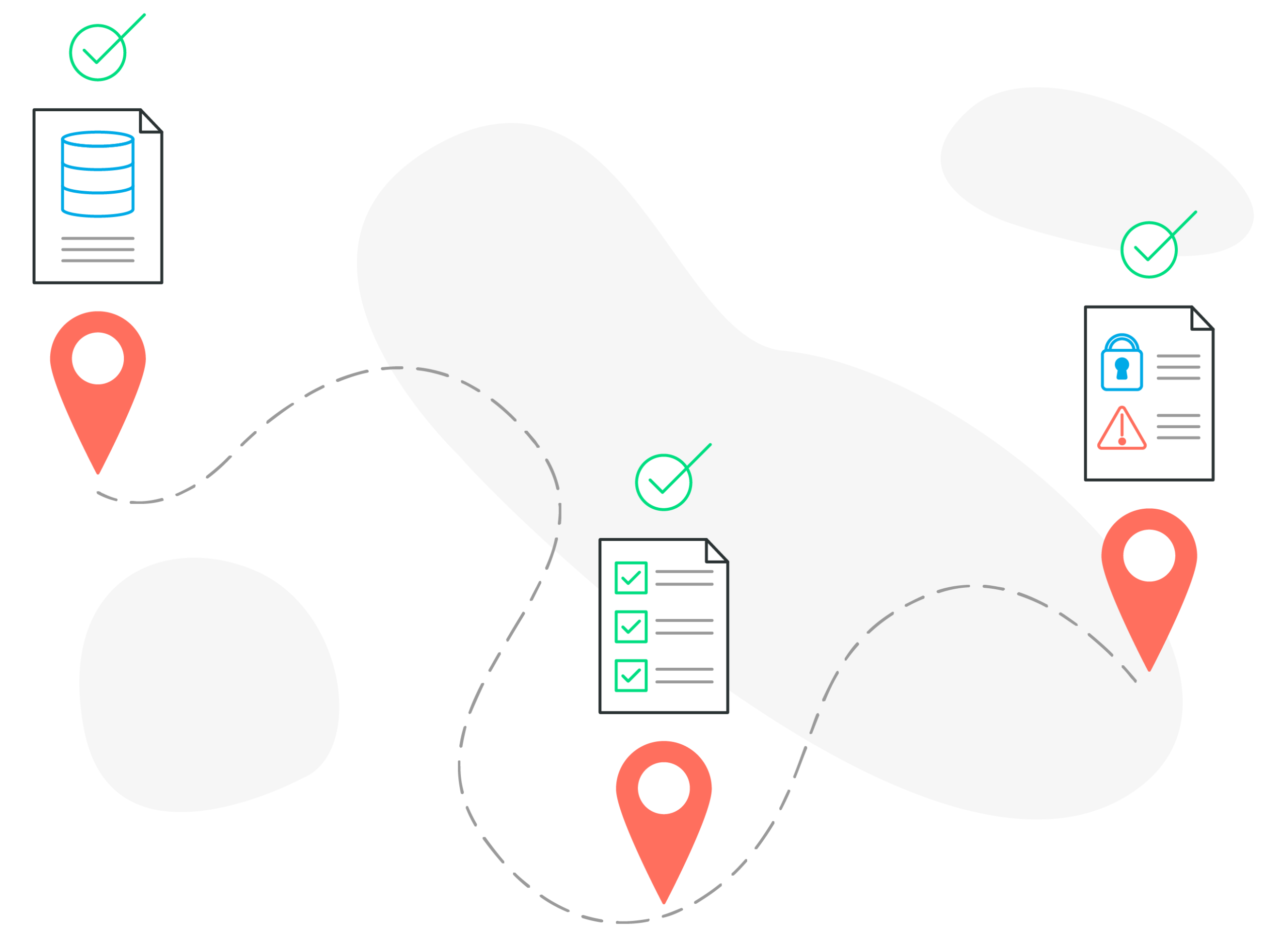
Backend architecture documentation maintains traceability between system requirements, design decisions, and implementation. Security controls map to identified risks. API specifications link to use cases. This documentation supports FDA submissions and certification processes.
Example in practice: Each API endpoint maps to specific system requirements and risk mitigations, with verification evidence already built and ready for regulatory review.

Production readiness
Infrastructure and monitoring planned from the start.
We architect backend services with production deployment in mind from day one. Load testing validates performance under expected device counts. Monitoring dashboards and alerting are configured during development, not after launch.
Example in practice: Load tests simulate 10,000 concurrent device connections during development, validating performance and identifying bottlenecks before production launch.
See how we work across disciplines.
Built for Regulated & Commercial Connected Device Ecosystems
Backend systems and cloud infrastructure that had to hold up under real device fleets and regulatory scrutiny.

Sleep Apnea Therapy, Connected From Body to Cloud
Inspire® is the first FDA-approved neurostimulation therapy for moderate to severe obstructive sleep apnea.
A small implant stimulates the nerve that controls the tongue in time with the patient’s breathing, and a connected system sits around it, with a Bluetooth remote the patient holds, an app, and a clinician web portal that monitors the implant wirelessly.
For someone who could never live with a mask, that means sleeping with nothing on their face and starting therapy with a click. It also means the system around a Class III implant has moved through several device generations while every implant already placed stays in a body for years, so no part of the system can change without accounting for every implant in the field.


Next-Generation Remote Management for a Cath Lab Device System
One in four angiography patients has chronic kidney disease, and the contrast dye that makes the procedure possible is hard on the kidneys.
Osprey Medical’s FDA-cleared DyeVert™ PLUS diverts part of the dye before it reaches the patient, cutting the amount delivered by about 40 percent with no loss of image quality, and tracks each patient’s cumulative dose against their kidney function in real time.
For those patients, that means a heart procedure with less risk of kidney injury. It also means a tablet talking wirelessly to bedside devices inside a cath lab, one of the noisiest radio environments in a hospital, where nothing can drop mid-procedure.


A Connected Care Platform Around an Implanted Insulin Pump
Portal Diabetes holds FDA Breakthrough Device designation for the Portal Pump™, an implantable insulin delivery system.
The pump is designed to sit in the abdomen, dose from a continuous glucose monitor with a heat-stable concentrated insulin, and take refills in a clinic after weeks or months.
For someone with type 1 diabetes, that means no carbohydrate counting, no meal announcements, and no waking in the night. It also means a loop that closes with no one in it, which has to be trusted before it is ever implanted and then stays in for five to seven years.


A Non-Invasive Cardiac Assessment Platform for Clinical Studies
Knowing how well a failing heart is pumping usually takes an echocardiogram and a trained operator, or a catheter threaded into the heart.
Sensydia’s Cardiac Performance System reads ejection fraction, cardiac output, and pulmonary artery pressure from disposable sensors on the chest, in minutes, at the bedside. Its ejection fraction measurement was first FDA-cleared in 2018, and the full platform holds Breakthrough Device Designation.
For a patient in an ICU or emergency department, that means answers without a referral or a procedure. It also means one measurement running across sensors, a gateway, a tablet, and the cloud, carrying patient data the whole way, while the platform is still being proven in clinical studies.


An Implanted Therapy Its Clinicians Configure From Anywhere
A stealth-stage medical startup is developing an implanted neuromodulation therapy that its clinicians can adjust without the patient in the room.
For the patient, that means a therapy that changes when it needs to instead of at the next appointment.
It also means every adjustment travels from a clinician’s screen to a device inside someone’s body, and that path has to be trusted at Class III stakes before anything is implanted.
Sleep Apnea Therapy, Connected From Body to Cloud
Next-Generation Remote Management for a Cath Lab Device System
A Connected Care Platform Around an Implanted Insulin Pump
A Non-Invasive Cardiac Assessment Platform for Clinical Studies
An Implanted Therapy Its Clinicians Configure From Anywhere
Sleep Apnea Therapy, Connected From Body to Cloud
Inspire® is the first FDA-approved neurostimulation therapy for moderate to severe obstructive sleep apnea.
A small implant stimulates the nerve that controls the tongue in time with the patient’s breathing, and a connected system sits around it, with a Bluetooth remote the patient holds, an app, and a clinician web portal that monitors the implant wirelessly.
For someone who could never live with a mask, that means sleeping with nothing on their face and starting therapy with a click. It also means the system around a Class III implant has moved through several device generations while every implant already placed stays in a body for years, so no part of the system can change without accounting for every implant in the field.
Next-Generation Remote Management for a Cath Lab Device System
One in four angiography patients has chronic kidney disease, and the contrast dye that makes the procedure possible is hard on the kidneys.
Osprey Medical’s FDA-cleared DyeVert™ PLUS diverts part of the dye before it reaches the patient, cutting the amount delivered by about 40 percent with no loss of image quality, and tracks each patient’s cumulative dose against their kidney function in real time.
For those patients, that means a heart procedure with less risk of kidney injury. It also means a tablet talking wirelessly to bedside devices inside a cath lab, one of the noisiest radio environments in a hospital, where nothing can drop mid-procedure.
A Connected Care Platform Around an Implanted Insulin Pump
Portal Diabetes holds FDA Breakthrough Device designation for the Portal Pump™, an implantable insulin delivery system.
The pump is designed to sit in the abdomen, dose from a continuous glucose monitor with a heat-stable concentrated insulin, and take refills in a clinic after weeks or months.
For someone with type 1 diabetes, that means no carbohydrate counting, no meal announcements, and no waking in the night. It also means a loop that closes with no one in it, which has to be trusted before it is ever implanted and then stays in for five to seven years.
A Non-Invasive Cardiac Assessment Platform for Clinical Studies
Knowing how well a failing heart is pumping usually takes an echocardiogram and a trained operator, or a catheter threaded into the heart.
Sensydia’s Cardiac Performance System reads ejection fraction, cardiac output, and pulmonary artery pressure from disposable sensors on the chest, in minutes, at the bedside. Its ejection fraction measurement was first FDA-cleared in 2018, and the full platform holds Breakthrough Device Designation.
For a patient in an ICU or emergency department, that means answers without a referral or a procedure. It also means one measurement running across sensors, a gateway, a tablet, and the cloud, carrying patient data the whole way, while the platform is still being proven in clinical studies.
An Implanted Therapy Its Clinicians Configure From Anywhere
A stealth-stage medical startup is developing an implanted neuromodulation therapy that its clinicians can adjust without the patient in the room.
For the patient, that means a therapy that changes when it needs to instead of at the next appointment.
It also means every adjustment travels from a clinician’s screen to a device inside someone’s body, and that path has to be trusted at Class III stakes before anything is implanted.
Connected Medical Systems, Engineered As One.





Let's Talk Through Your Backend System.


Quick Discovery Call

Team Consultation