Embedded Software
Secure & Reliable Firmware for Connected Devices
We specialize in connected medical and consumer devices where power, security, and reliability are critical.
What Sets Us Apart
Embedded in connected systems
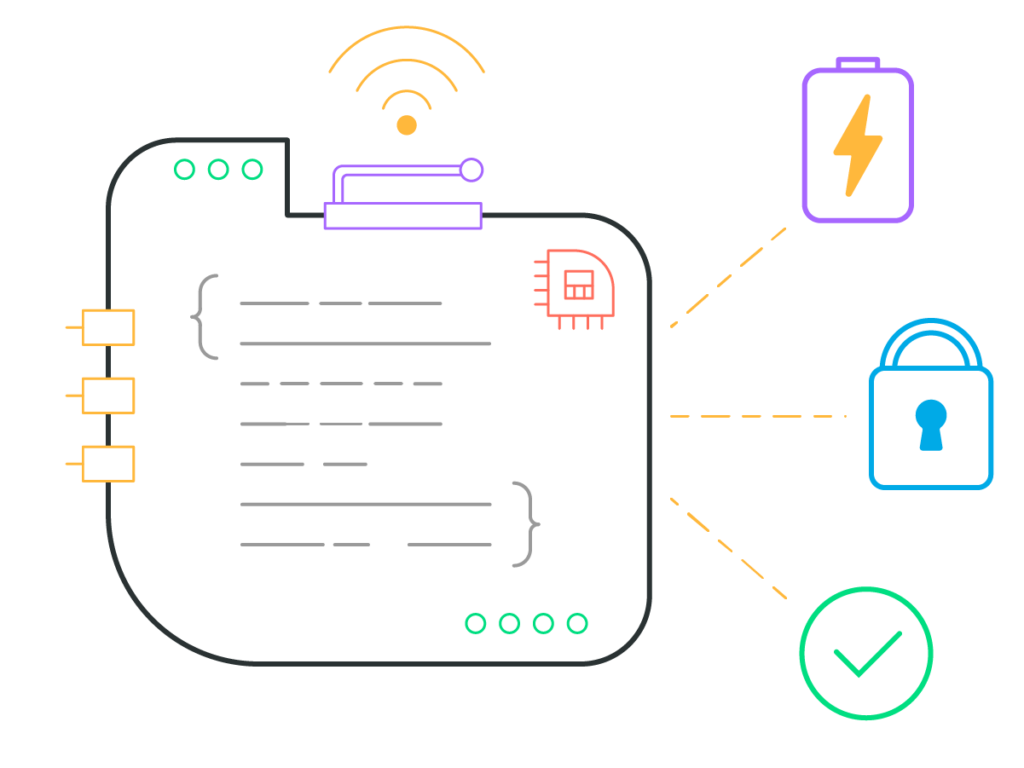
Firmware is architected with the connected system in mind.
Firmware sits on your critical path, is the most expensive to change, and, in medical devices, carries the highest safety risk. Poor firmware decisions cascade through your entire product.
We architect embedded software with a system-level perspective. Because we work across devices, mobile, cloud, and electronics, we design for the full system and not just the embedded layer.
The Result: Firmware that integrates cleanly with your connected system, scales to production, and supports your regulatory pathway without blocking development.

What we solve for
Embedded Development at Every Stage
Whether you’re building from scratch, validating user workflows, looking to accelerate development, or fixing critical production issues, we can help.

Building New Products
Security & Compliance Gaps
- Secure boot and encryption key management architecture
- Threat modeling and attack surface assessment before hardware lock-in
- FDA submission documentation and IEC 62304 compliance readiness
- Audit logging and regulatory traceability requirements
Connectivity & Integration Risks
- BLE stack selection and radio coexistence strategies
- OTA update delivery and rollback failure recovery
- Mobile/firmware and firmware/cloud API coordination
- Cloud synchronization and offline operation patterns
Architecture Constraints
- RTOS selection and task scheduling for real-time requirements
- Bootloader design, factory provisioning, and memory management
- Hardware/firmware co-design affecting manufacturing feasibility
Production & Readiness Gaps
- Power management strategies and battery life validation
- Manufacturing test infrastructure and calibration routines
- Diagnostic logging and field debugging capabilities
- Component selection and supplier qualification for compliance

Validating Feasibility
Connectivity Uncertainty
- BLE range and reliability in target electromagnetic environments
- Connection stability during movement, interference, and edge cases
- Pairing workflow success rates across iOS/Android device matrix
- Radio duty cycle impact on battery life under realistic usage
Power Budget Viability
- Sleep state effectiveness and wake-up latency with your sensor configuration
- Real-world battery life against advertised specifications
- Power consumption during BLE advertising, connection, and data transfer
- Thermal performance under sustained operation
Update & Recovery Mechanisms
- OTA update delivery reliability under degraded connectivity
- Bootloader recovery from interrupted or corrupted updates
- Secure communication and authentication flow establishment
- Firmware rollback and version management strategies

Accelerating Development
Core Firmware Gaps
- BLE stack integration and custom GATT service implementation
- Sensor driver development and real-time data processing
- Communication protocol implementation and peripheral integration
Critical Path Delays
- OTA update system and secure bootloader implementation
- Authentication flows and secure credential storage
- Power management optimization and diagnostic logging infrastructure
Integration & Testing Challenges
- Hardware bring-up and board support package development
- Firmware/mobile API coordination across platform boundaries
- Regulatory documentation for IEC 62304 and FDA submissions
Quality Infrastructure Gaps
- Automated testing frameworks and CI/CD pipeline setup
- Hardware-in-the-loop testing and regression suites
- Manufacturing test development and production validation tools
Specialized Firmware Expertise for Connected Devices
The capabilities that enable secure, reliable, and regulatory-ready embedded systems.
Wireless Connectivity
Protocol Stack & Integration
- BLE/WiFi/cellular stack implementation and vendor SDK integration
- Custom protocol development and binary format design
- Multi-radio coordination and coexistence management
- Cross-platform compatibility and interoperability testing
Security & Reliability
- Secure pairing, authentication, and encrypted communication
- Connection state management and automatic reconnection
- Edge case handling (interference, range, power loss)
- Provisioning workflows and device configuration
Ultra-Low Power Design
Power Architecture & Optimization
- Continuous power measurement throughout development
- Sleep state optimization and peripheral power management
- Power budget allocation across system components
- Wake event tuning and clock gating strategies
Battery Life Engineering
- Multi-year battery life modeling and validation
- Real-world usage pattern simulation
- Temperature and aging impact analysis
Modern Testability
Test Infrastructure & Automation
- Hardware-in-the-Loop test systems from project start
- Automated unit, integration, and regression testing on real hardware
- CI/CD pipelines with hardware validation
- Mock and simulation frameworks for complex embedded scenarios
- RTOS and multithreading test coverage
Code Quality & Coverage
- Code coverage and static analysis integration
- Timing, interrupt, and concurrency validation
- Memory safety and leak detection
- Performance benchmarking and regression tracking
- Embedded debugging and trace analysis
Product Security
Device Security Implementation
- Secure boot and firmware authentication
- Encryption for data at rest and in transit
- Secure key generation, storage, and rotation
- Hardware security module integration
Security Lifecycle Management
- Secure OTA firmware updates with signature verification
- Vulnerability identification and patch management
- SBOM generation and supply chain transparency
System Integration
Cross-Discipline Architecture
- Interface definition and validation across firmware, hardware, mobile, and cloud
- Power, timing, and protocol constraint analysis from architecture phase
- Real-time performance validation across distributed system components
- Shared state synchronization and data flow coordination
- Protocol translation and format conversion between system layers
Integration Testing & Validation
- Hardware-firmware integration validation on target hardware
- End-to-end connectivity testing across mobile and cloud interfaces
- System-level timing and performance verification
- Multi-component failure scenario testing
Core Device Functionality
Key Capabilities:
- Therapeutic algorithms and control logic implementation
- Real-time signal processing and DSP
- Sensor fusion, calibration, and filtering
- State machines and workflow management
- Multiprocessor architectures and interprocessor communication
- Embedded graphical user interfaces
- Motor control and actuation logic
Compliance-Ready Development
Requirements & Design Documentation
- IEC 62304 software safety classification and lifecycle processes
- Requirements traceability from system to implementation
- Software architecture documentation and design outputs
- Interface control documents and specifications
Validation & Risk Management
- Verification evidence generation and test reporting
- Validation against intended use and user needs
- Risk management integration (ISO 14971) for software hazards
- SOUP management and third-party component risk analysis
- Change control and configuration management
- Design history file (DHF) preparation and regulatory submission support
Development & Production Tooling
Development & Debug Infrastructure
- PC-based debug utilities and logging dashboards
- Automated test fixtures and verification harnesses
- Protocol analyzers and diagnostic tools
- Performance profiling utilities
Manufacturing & Field Support
- Factory programming and provisioning automation
- Regulatory evidence capture systems
- Field service and configuration tools
- Remote diagnostics and troubleshooting infrastructure

Wireless Connectivity
Protocol Stack & Integration
- BLE/WiFi/cellular stack implementation and vendor SDK integration
- Custom protocol development and binary format design
- Multi-radio coordination and coexistence management
- Cross-platform compatibility and interoperability testing
Security & Reliability
- Secure pairing, authentication, and encrypted communication
- Connection state management and automatic reconnection
- Edge case handling (interference, range, power loss)
- Provisioning workflows and device configuration

Ultra-Low Power Design
Power Architecture & Optimization
- Continuous power measurement throughout development
- Sleep state optimization and peripheral power management
- Power budget allocation across system components
- Wake event tuning and clock gating strategies
Battery Life Engineering
- Multi-year battery life modeling and validation
- Real-world usage pattern simulation
- Temperature and aging impact analysis

Modern Testability
Test Infrastructure & Automation
- Hardware-in-the-Loop test systems from project start
- Automated unit, integration, and regression testing on real hardware
- CI/CD pipelines with hardware validation
- Mock and simulation frameworks for complex embedded scenarios
- RTOS and multithreading test coverage
Code Quality & Coverage
- Code coverage and static analysis integration
- Timing, interrupt, and concurrency validation
- Memory safety and leak detection
- Performance benchmarking and regression tracking
- Embedded debugging and trace analysis

Product Security
Device Security Implementation
- Secure boot and firmware authentication
- Encryption for data at rest and in transit
- Secure key generation, storage, and rotation
- Hardware security module integration
Security Lifecycle Management
- Secure OTA firmware updates with signature verification
- Vulnerability identification and patch management
- SBOM generation and supply chain transparency

System Integration
Cross-Discipline Architecture
- Interface definition and validation across firmware, hardware, mobile, and cloud
- Power, timing, and protocol constraint analysis from architecture phase
- Real-time performance validation across distributed system components
- Shared state synchronization and data flow coordination
- Protocol translation and format conversion between system layers
Integration Testing & Validation
- Hardware-firmware integration validation on target hardware
- End-to-end connectivity testing across mobile and cloud interfaces
- System-level timing and performance verification
- Multi-component failure scenario testing

Core Device Functionality
- Therapeutic algorithms and control logic implementation
- Real-time signal processing and DSP
- Sensor fusion, calibration, and filtering
- State machines and workflow management
- Multiprocessor architectures and interprocessor communication
- Embedded graphical user interfaces
- Motor control and actuation logic

Compliance-Ready Development
Requirements & Design Documentation
- IEC 62304 software safety classification and lifecycle processes
- Requirements traceability from system to implementation
- Software architecture documentation and design outputs
- Interface control documents and specifications
Validation & Risk Management
- Verification evidence generation and test reporting
- Validation against intended use and user needs
- Risk management integration (ISO 14971) for software hazards
- SOUP management and third-party component risk analysis
- Change control and configuration management
- Design history file (DHF) preparation and regulatory submission support

Development & Production Tooling
Development & Debug Infrastructure
- PC-based debug utilities and logging dashboards
- Automated test fixtures and verification harnesses
- Protocol analyzers and diagnostic tools
- Performance profiling utilities
Manufacturing & Field Support
- Factory programming and provisioning automation
- Regulatory evidence capture systems
- Field service and configuration tools
- Remote diagnostics and troubleshooting infrastructure
Designed for Flexibility, Guided by Your Goals
We build firmware that works within your system’s constraints, from low-power MCUs to embedded Linux platforms.
Super loop, cooperative schedulers
FreeRTOS, Zephyr, ThreadX, Azure RTOS, Segger embOS, QP
BlueZ (stack development, profile implementation, kernel integration)
Yocto Project, U-Boot, Device Tree, kernel configuration, custom kernel builds, systemd, BusyBox, D-Bus, swupdate, UUU
Nordic SoftDevice, NRF Connect SDK, STM32CubeMX HAL, Silicon Labs Gecko SDK
CMake, Make, IAR, Keil µVision, Segger Embedded Studio, Bitbake (Yocto), Ninja
ARM Cortex-M, Cortex-A, Xtensa, RISC-V, MSP430, PIC32, 8051, Microchip AVR
Segger Embedded Studio, Keil, IAR, VS Code
GCC, Clang, ARMCC, IAR
GitHub Actions, Bitrise, Jenkins, GitLab CI, Azure DevOps Pipelines, CircleCI
sDocker (reproducible builds, isolated test environments, CI integration)
Git (GitHub, GitLab, Bitbucket)
cppcheck, MISRA checkers, SonarQube, clang-tidy, vectorCAST
Unity, CMock, pytest, Fake Function Framework
Including traceability matrices and coverage analysis.
WHAT YOU GET
Production-Ready Firmware with Engineering Traceability
We deliver tested, traceable firmware with the build systems, verification evidence, and documentation that regulatory teams require.

Firmware development requires more than working code. You need to build systems, test infrastructure, traceability matrices, and verification evidence that support regulatory submission and long-term maintainability.
wOur deliverables create an auditable trail from requirements through release, essential for products that scale, transfer between teams, or require regulatory approval.
- Design: Traceable requirements, architecture, and design documentation that integrates with your broader system definition.
- Development: Version-controlled, reviewed source code developed against requirements and design, with build systems and toolchain configuration for reproducible builds.
- Verification & Validation Evidence: Requirements verification, risk-based unit and integration testing, plus verification plans, protocols, and reports.
- Release: Traceable software artifacts, SBOM, vulnerability analysis, and unresolved anomaly reports.
From Class III Implantables to Consumer Devices at Global Scale
Firmware that shaped the system, not just the software layer.

Smart Privacy Glass on a Scalable Embedded Linux Platform
CLiC™ is Cardinal IG’s smart privacy glass, and after more than ten years of development it entered full-scale production in 2026.
A pane switches from clear to private in under a tenth of a second, with no tint or distortion, and ties into smart home and building control systems.
For a home or a hospital room, that means privacy on command with no blinds or drapes. It also means a window that is now a connected device, one that has to stay secure and keep working for as long as the glass does, and be built the same way for every manufacturer who puts it into a window, glass door, or glass partition.


A Connected Docking Station for Clinical Microneedling Devices
DermapenWorld’s Dp4™ microneedling pens are used in clinics around the world, all kept current through a companion app.
The Dp DOCK™ is where a pen sits between treatments. It syncs the pen to the app, installs firmware updates, watches its battery, and will not let it be stored with a needle cartridge attached.
For a practitioner, that means a pen that is current and ready for the next treatment without anyone thinking about it. It also means a dock that has to work with every version of the pen and app in the field, in a clinic where it will never get a second look.


The World's First Completely Internal Cochlear Implant
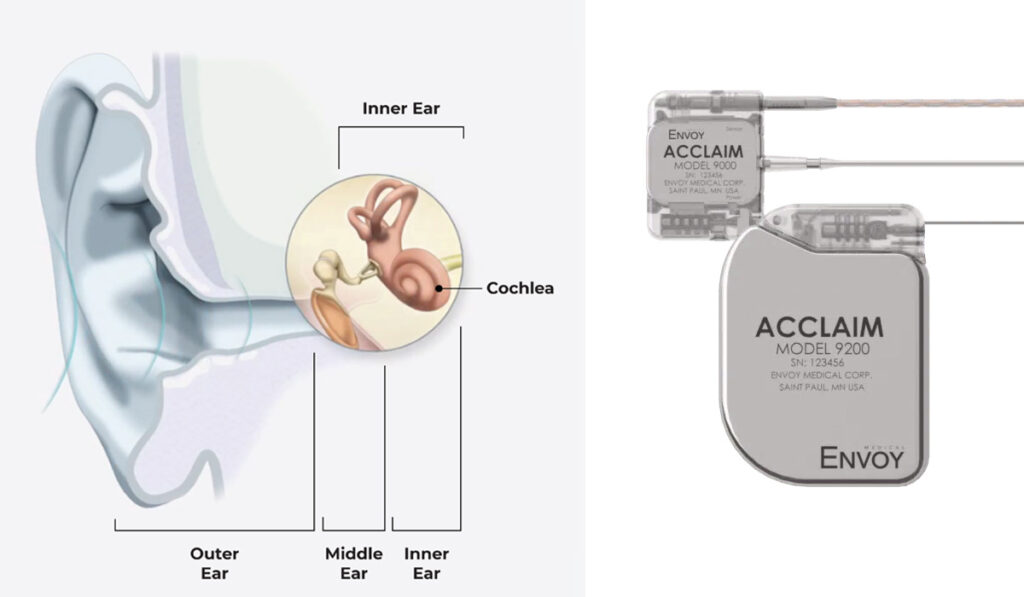
Envoy built the first FDA-approved hearing device that lives entirely inside the body.
The Acclaim™ Cochlear Implant is designed for severe hearing loss, with a sensor that uses the ear’s own anatomy to capture sound in place of an external microphone.
There is nothing to take off before sleeping or showering. There is also nothing easy to power, charge, or connect, and the parts other implants keep outside the head are sealed inside, out of reach without surgery.

A Fashion Smartwatch Shipped by the Millions
A global fashion brand’s smartwatches reached millions of wrists across several product generations, and they were designed to look like watches first.
Under the face they tracked health and activity, moved logs and firmware updates to a phone over Bluetooth, and ran on a battery sized for a fashion case.
For the wearer, that meant a watch chosen for how it looked that still did what a smartwatch does. It also meant pairing with every phone and OS version its wearers owned, each handling Bluetooth its own way, at a scale where a one-in-a-million quirk came up every day.


A Meditation Device Built to Survive Its First Five Minutes
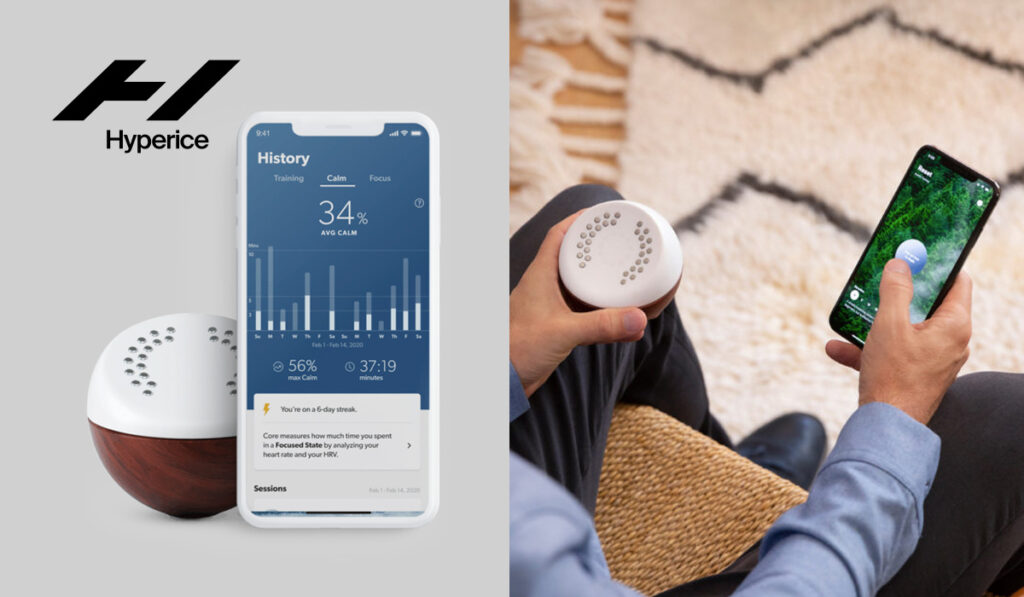
Hyperice’s Core™ Meditation Trainer is a handheld device you cup in both palms, with heart sensors in the handles and a pulse you breathe along with.
It reads heart rate and heart rate variability to tell when you have settled into a focused state, and the app’s guided sessions respond to that.
For someone who wonders whether they are meditating right, that means a device that can tell them. It also means a consumer product whose first act out of the box is updating its own firmware over Bluetooth, in a living room, where a failed update is a returned product.

Sleep Apnea Therapy, Connected From Body to Cloud
Inspire® is the first FDA-approved neurostimulation therapy for moderate to severe obstructive sleep apnea.
A small implant stimulates the nerve that controls the tongue in time with the patient’s breathing, and a connected system sits around it, with a Bluetooth remote the patient holds, an app, and a clinician web portal that monitors the implant wirelessly.
For someone who could never live with a mask, that means sleeping with nothing on their face and starting therapy with a click. It also means the system around a Class III implant has moved through several device generations while every implant already placed stays in a body for years, so no part of the system can change without accounting for every implant in the field.


A Connected Care Platform Around an Implanted Insulin Pump
Portal Diabetes holds FDA Breakthrough Device designation for the Portal Pump™, an implantable insulin delivery system.
The pump is designed to sit in the abdomen, dose from a continuous glucose monitor with a heat-stable concentrated insulin, and take refills in a clinic after weeks or months.
For someone with type 1 diabetes, that means no carbohydrate counting, no meal announcements, and no waking in the night. It also means a loop that closes with no one in it, which has to be trusted before it is ever implanted and then stays in for five to seven years.


An Implanted Therapy Its Clinicians Configure From Anywhere
A stealth-stage medical startup is developing an implanted neuromodulation therapy that its clinicians can adjust without the patient in the room.
For the patient, that means a therapy that changes when it needs to instead of at the next appointment.
It also means every adjustment travels from a clinician’s screen to a device inside someone’s body, and that path has to be trusted at Class III stakes before anything is implanted.

An Implant That Turns Thought Into Touchscreen Control
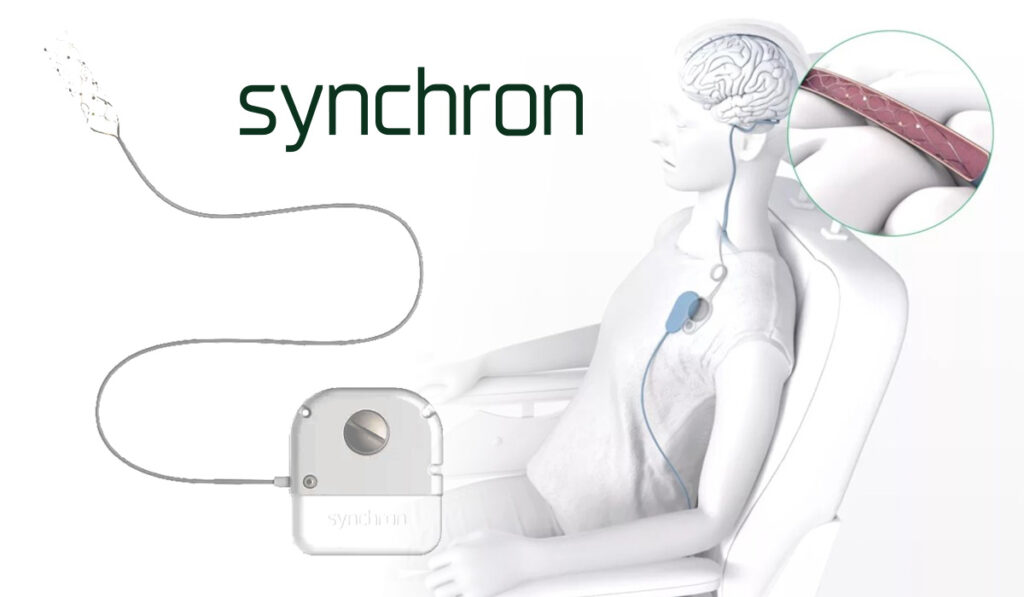
Synchron ran the first FDA-approved clinical trial of a permanently implanted brain-computer interface, and all six patients met the primary safety endpoint.
The Stentrode® is placed through a blood vessel, with no open brain surgery, and sits in a vein beside the motor cortex reading the intent to move.
For someone with severe paralysis, that means texting, browsing, and opening apps by thought alone. It also means the connection out of the body is the whole product, at Class III stakes. Nothing the implant does reaches a screen unless that link holds.
Smart Privacy Glass on a Scalable Embedded Linux Platform
A Connected Docking Station for Clinical Microneedling Devices
The World's First Completely Internal Cochlear Implant
A Fashion Smartwatch Shipped by the Millions
A Meditation Device Built to Survive Its First Five Minutes
Sleep Apnea Therapy, Connected From Body to Cloud
Smart Privacy Glass on a Scalable Embedded Linux Platform
CLiC™ is Cardinal IG’s smart privacy glass, and after more than ten years of development it entered full-scale production in 2026.
A pane switches from clear to private in under a tenth of a second, with no tint or distortion, and ties into smart home and building control systems.
For a home or a hospital room, that means privacy on command with no blinds or drapes. It also means a window that is now a connected device, one that has to stay secure and keep working for as long as the glass does, and be built the same way for every manufacturer who puts it into a window, glass door, or glass partition.
A Connected Docking Station for Clinical Microneedling Devices
DermapenWorld’s Dp4™ microneedling pens are used in clinics around the world, all kept current through a companion app.
The Dp DOCK™ is where a pen sits between treatments. It syncs the pen to the app, installs firmware updates, watches its battery, and will not let it be stored with a needle cartridge attached.
For a practitioner, that means a pen that is current and ready for the next treatment without anyone thinking about it. It also means a dock that has to work with every version of the pen and app in the field, in a clinic where it will never get a second look.
The World's First Completely Internal Cochlear Implant
Envoy built the first FDA-approved hearing device that lives entirely inside the body.
The Acclaim™ Cochlear Implant is designed for severe hearing loss, with a sensor that uses the ear’s own anatomy to capture sound in place of an external microphone.
There is nothing to take off before sleeping or showering. There is also nothing easy to power, charge, or connect, and the parts other implants keep outside the head are sealed inside, out of reach without surgery.
A Fashion Smartwatch Shipped by the Millions
A global fashion brand’s smartwatches reached millions of wrists across several product generations, and they were designed to look like watches first.
Under the face they tracked health and activity, moved logs and firmware updates to a phone over Bluetooth, and ran on a battery sized for a fashion case.
For the wearer, that meant a watch chosen for how it looked that still did what a smartwatch does. It also meant pairing with every phone and OS version its wearers owned, each handling Bluetooth its own way, at a scale where a one-in-a-million quirk came up every day.
A Meditation Device Built to Survive Its First Five Minutes
Hyperice’s Core™ Meditation Trainer is a handheld device you cup in both palms, with heart sensors in the handles and a pulse you breathe along with.
It reads heart rate and heart rate variability to tell when you have settled into a focused state, and the app’s guided sessions respond to that.
For someone who wonders whether they are meditating right, that means a device that can tell them. It also means a consumer product whose first act out of the box is updating its own firmware over Bluetooth, in a living room, where a failed update is a returned product.
Sleep Apnea Therapy, Connected From Body to Cloud
Inspire® is the first FDA-approved neurostimulation therapy for moderate to severe obstructive sleep apnea.
A small implant stimulates the nerve that controls the tongue in time with the patient’s breathing, and a connected system sits around it, with a Bluetooth remote the patient holds, an app, and a clinician web portal that monitors the implant wirelessly.
For someone who could never live with a mask, that means sleeping with nothing on their face and starting therapy with a click. It also means the system around a Class III implant has moved through several device generations while every implant already placed stays in a body for years, so no part of the system can change without accounting for every implant in the field.
Connected Medical Systems, Engineered As One.






Ready to get started?


Quick Discovery Call

Team Consultation