
BLE Security
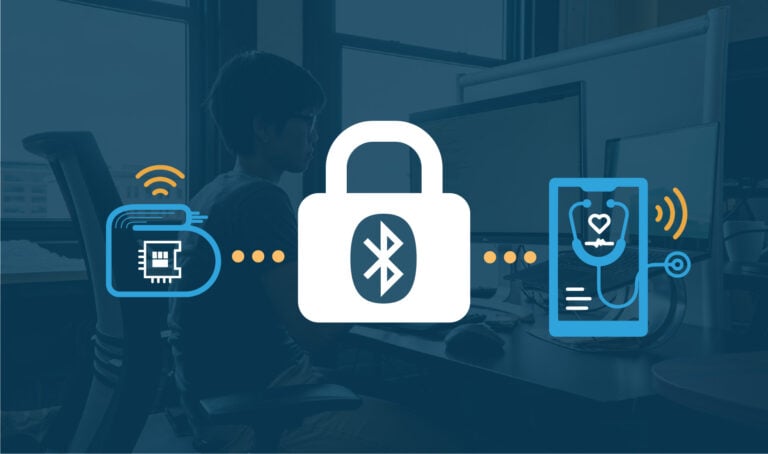
Strategies for protecting BLE communication from unauthorized access or misuse.
 LightBlue
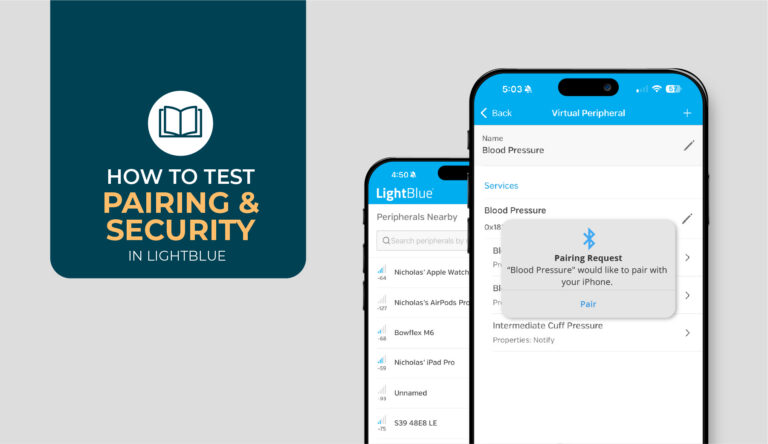
How to Test BLE Pairing and Security Flows with LightBlue
Security and pairing are the tests that get pushed to the end of the cycle, right up until a device fails in the field on one specific phone at one specific point in the connection. These six LightBlue workflows surface…
 Bluetooth Low Energy (BLE)
How Much BLE Security Does Your Device Actually Need?
Not every BLE device needs maximum security. A fitness tracker, smart lock, and medical device face very different risks. This article walks through a practical framework to help you determine the right level of BLE security for your product based…
- Bluetooth Low Energy (BLE)
Understanding BLE Security Boundaries: What It Protects and What It Doesn’t
BLE encryption and authenticated pairing secure over-the-air communication, but they don’t protect data once it reaches your app or cloud. Learn where BLE security stops and when you need TLS, end-to-end encryption, and user authentication.
 Bluetooth Low Energy (BLE)
BLE Pairing and Bonding: What’s the Difference and When to Use Each
BLE pairing and bonding are key to secure, reliable Bluetooth connections. This article explains what each means, how they differ on iOS and Android, and when to use them to ensure trusted communication between your app and device.
- Bluetooth Low Energy (BLE)
BLE Security: Where to Begin When Creating a Connected System
Start BLE security planning early by understanding pairing modes, bonding options, threat modeling, and tradeoffs that shape secure, reliable connected systems.
 Bluetooth Low Energy (BLE)
How to Delete BLE Bonds with the Nordic nRF5 SDK
Avoid common mistakes that cause memory corruption or dropped connections by understanding the flash timing constraints behind bond deletion in Nordic’s nRF5 SDK.




Dive into our complete collection of articles, guides, and resources.